
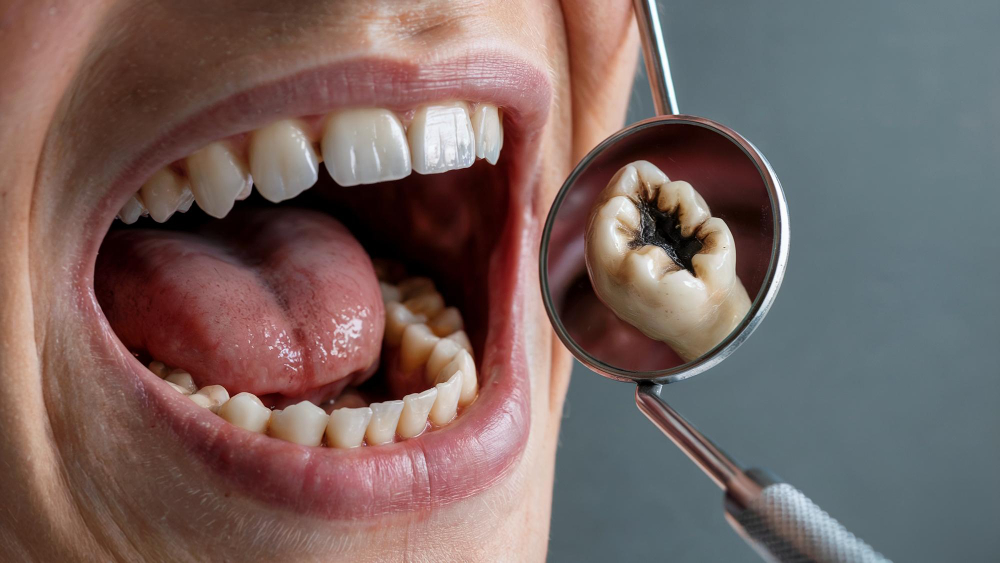
What Is Tooth Decay or Dental Cavities?
Tooth decay, also called dental cavities, is damage to the hard surface of your teeth. Bacteria in your mouth make acids that eat away at the tooth. Over time, this creates small holes or cavities. Knowing how to treat tooth decay or dental cavities early can help save your teeth. According to the World Health Organization (WHO), tooth decay is one of the most common health problems worldwide.
Common Symptoms
Sometimes, tooth decay does not cause pain at first. However, you may notice these signs:
But even if you feel fine, regular dental check-ups are important. Early cavities may not show clear symptoms.
Main Causes
Many things can lead to tooth decay. For example, eating sugary foods often can increase your risk. Here are some main causes:
Because bacteria feed on sugar, cutting back on sweets can help prevent dental caries.
How Dentists Diagnose Cavities
First, your dentist will ask about your symptoms. Next, they will look at your teeth and gums. Often, dentists use special tools to check for soft spots or holes. Sometimes, they take X-rays to see hidden decay. This helps them find cavities early, even before you feel pain. Early diagnosis makes treating tooth decay easier and less costly.
Effective Treatment Options
There are several ways to fix cavities. The right treatment depends on how much damage there is. Here are common dental cavity treatments:
Because each case is different, your dentist will suggest the best way to treat your cavity.
Home Care and Lifestyle Tips
While only a dentist can fix cavities, you can care for your teeth at home. For example, you can:
Additionally, eating healthy foods like fruits and vegetables helps keep your teeth strong.
Prevention Strategies
Preventing dental caries is easier than treating tooth decay. Here are some simple steps:
Because prevention is key, starting good habits early can protect your smile for life.
When To See a Dentist
If you notice pain, sensitivity, or spots on your teeth, see a dentist soon. Even if you have no symptoms, regular visits help catch problems early. Remember, treating tooth decay early can save you time, money, and discomfort. Do not wait until pain gets worse.
For the best results, consult Dr. Rajat Gupta at Gupta Hospital & Dental Clinic for personalized advice and early treatment.