
Introduction
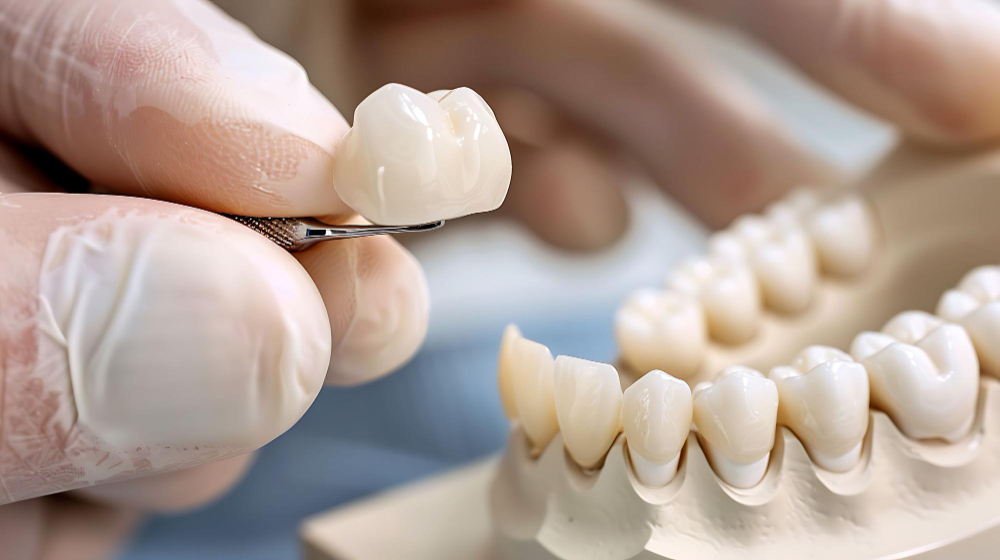
Dental crowns are custom-made caps that cover damaged or weak teeth. They help restore the tooth’s shape, size, and strength. Many people ask about the benefits of dental crowns and why they are important for oral health. In fact, crowns protect teeth and improve your smile. Dentists often recommend them for both health and cosmetic reasons. According to the American Dental Association, crowns are a common and safe dental treatment.
Key Benefits of Dental Crowns
Dental crowns offer many advantages. Not only do they protect teeth, but they also improve how your teeth look and work. Here are some key benefits:
Because of these dental crown advantages, many people choose crowns to improve their oral health.
Who Should Consider Dental Crowns
Not everyone needs a dental crown. However, your dentist may suggest one if you have:
If you wonder why get a dental crown, talk to your dentist. They can help decide if a crown is right for you.
What to Expect During the Procedure
Getting a dental crown usually takes two visits. First, your dentist will examine and prepare your tooth. Next, they will take an impression to make a custom crown. While you wait for the permanent crown, you may get a temporary one. At the second visit, the dentist will place and adjust the new crown. Most people feel little pain during the process. However, you may feel mild soreness after the procedure. Your dentist will give you tips to stay comfortable.
Aftercare Tips for Dental Crowns
Proper care helps your crown last longer. Here are some simple tips:
With good care, crowns can last 10 years or more. In addition, they help keep your mouth healthy and strong.
Frequently Asked Questions
Conclusion
Dental crowns offer many benefits for your oral health. They protect, restore, and improve your teeth. If you think you may need a crown, consult a dentist at Gupta Hospital & Dental Clinic for personalised advice about dental crowns. Your dentist can help you choose the best option for your smile and health.