
What Are Invisible Aligners?
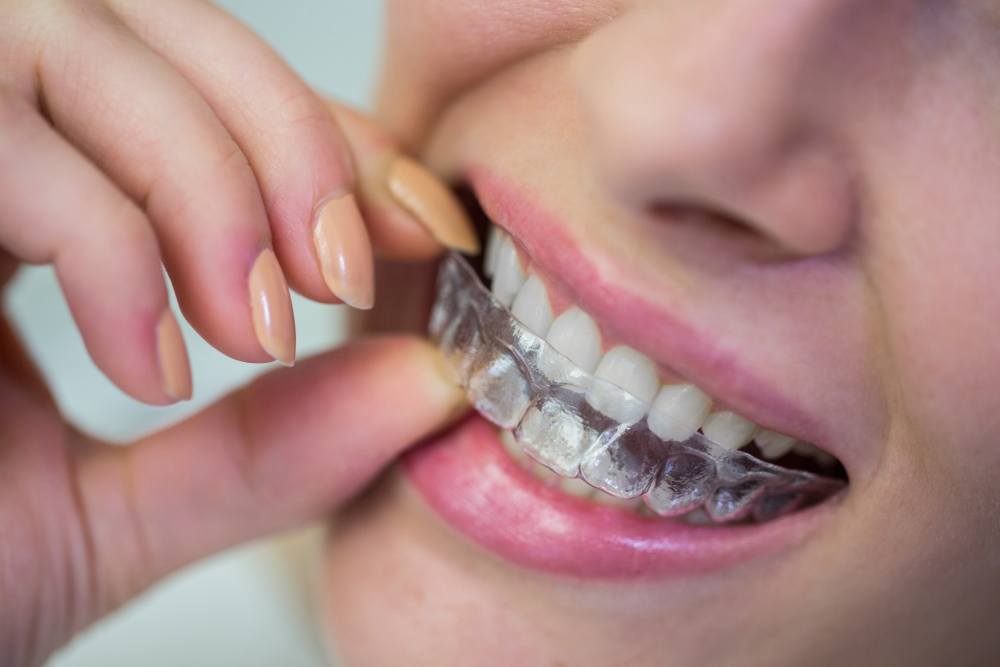
Invisible aligners are clear, plastic trays that help straighten teeth. Unlike metal braces, they are almost invisible. Many people call them clear aligners for teeth or invisible braces. These aligners fit snugly over your teeth. As a result, they gently move your teeth into the right position over time.
How Do Invisible Aligners Work?
Invisible aligners work by applying gentle pressure to your teeth. First, your dentist takes a 3D scan or mold of your teeth. Then, a series of custom aligners is made just for you. Each set of aligners is worn for about two weeks. After that, you switch to the next set. Over time, your teeth slowly move into place. This process is safe and effective when supervised by a dental professional. According to the American Association of Orthodontists, clear aligners can treat many mild to moderate alignment issues.
Benefits of Invisible Aligners
There are many invisible braces benefits. Some of the top advantages include:
Because of these benefits, many adults and teens prefer invisible aligners over metal braces.
Who Is a Good Candidate?
Not everyone is a good candidate for invisible aligners. However, many people with mild to moderate crowding or spacing can use them. You may be a good candidate if you:
Still, some complex cases may need traditional braces. Your dentist will help you decide what is best for you.
The Treatment Process Step-by-Step
Here is a simple step-by-step guide to the invisible aligners process:
Because each case is unique, your dentist will guide you through every step.
Care and Maintenance Tips
Proper care keeps your invisible aligners clean and effective. For best results, follow these tips:
With good care, your aligners will stay clear and odor-free.
Common Questions and Concerns
Many people have questions about invisible aligners. Here are some common concerns:
If you have more questions, your dentist can provide answers based on your needs.
Potential Risks and Limitations
While invisible aligners are safe, there are some risks and limits. For example, they may not work for severe bite problems. Also, if you do not wear them enough, results may be delayed. Some people may notice mild speech changes at first. Rarely, aligners can cause gum or tooth soreness. According to the CDC, good oral hygiene lowers the risk of problems during treatment. Always follow your dentist’s advice to avoid issues.
Prevention of Dental Issues During Treatment
It is important to keep your mouth healthy during aligner treatment. To prevent dental issues:
Because aligners cover your teeth, trapped food can lead to cavities. Good habits help keep your teeth strong and healthy.
Conclusion
Invisible aligners offer a clear, comfortable way to straighten your teeth. They are easy to use and fit many lifestyles. However, they are not right for everyone. Consult Dr. Rajat Gupta at Gupta Hospital & Dental Clinic to find out if invisible aligners are right for you.