Introduction
Are you curious about the different types of dentures? Dentures are important for people who have lost some or all of their teeth. Understanding your denture options helps you make the best choice for your comfort and smile. In this guide, you will learn about the main types of dentures, their pros and cons, and how to care for them. This information can help you or a loved one feel more confident about dental health.
What are Dentures?
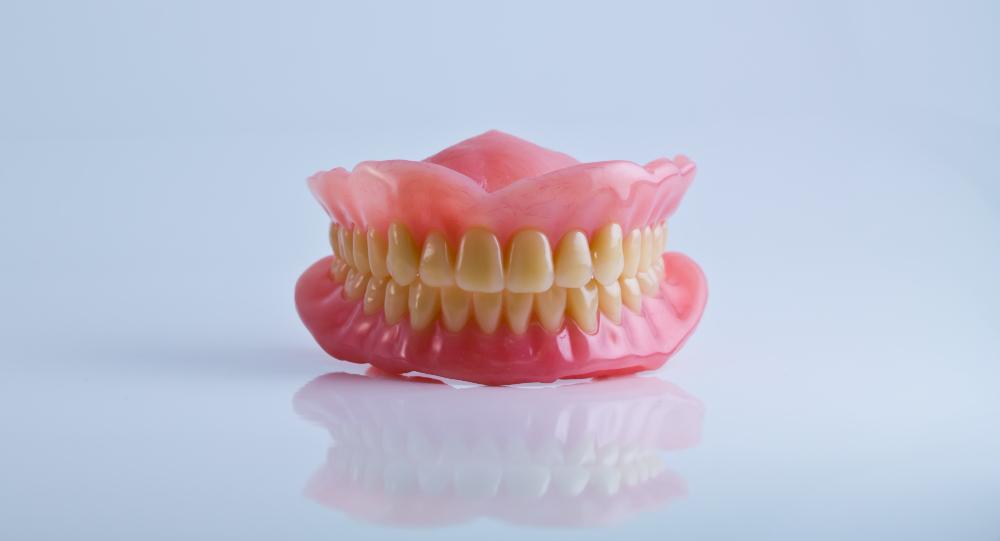
Dentures are removable devices that replace missing teeth. They help you eat, speak, and smile with ease. Dentures can replace all teeth or just a few. Most people find that dentures improve their quality of life. According to the American Dental Association, dentures are safe and effective when made and fitted by a dental professional.
Why Do People Need Dentures?
Many people need dentures for several reasons. For example, tooth loss can happen due to gum disease, tooth decay, or injury. Sometimes, aging leads to weaker teeth. In other cases, medical conditions may cause tooth loss. Dentures help restore your smile and make eating easier. They also support your facial muscles, which keeps your face looking natural.
Main Types of Dentures
There are several types of dentures. Each type suits different needs. Let’s look at the main options:
Full Dentures: Replace all teeth in the upper or lower jaw.
Partial Dentures: Replace some missing teeth while keeping your remaining natural teeth.
Immediate Dentures: Placed right after tooth removal, so you never go without teeth.
Overdentures: Fit over a few remaining teeth or dental implants for extra support.
Implant-Supported Dentures: Attach to dental implants in your jaw for a secure fit.
Snap-In Dentures: Snap onto implants or anchors, making them stable and easy to remove.
Custom Dentures: Made to fit your mouth perfectly, offering a natural look and feel.
Economy Dentures: A basic, affordable option that may not fit as well as custom types.
Pros and Cons of Each Type
Choosing the right denture depends on your needs. Here are the main pros and cons:
Full Dentures
Pros: Replace all teeth, restore function, improve appearance.
Cons: May feel bulky, can slip if not fitted well.
Partial Dentures
Pros: Keep natural teeth, easy to remove, affordable.
Cons: May feel less stable than full dentures.
Immediate Dentures
Pros: No gap after tooth removal, quick solution.
Cons: May need adjustments as gums heal.
Overdentures
Pros: More stable, preserve jawbone, comfortable.
Cons: Higher cost, need healthy teeth or implants.
Implant-Supported Dentures
Pros: Very secure, feel like natural teeth, best dentures for seniors needing stability.
Cons: Surgery needed, higher price.
Snap-In Dentures
Pros: Easy to use, stable, removable for cleaning.
Cons: Need implants or anchors, more expensive.
Custom Dentures
Pros: Best fit, natural look, comfortable.
Cons: Cost more than economy dentures.
Economy Dentures
Pros: Low cost, quick to make.
Cons: May not fit well, less natural appearance.
How to Choose the Right Denture
Choosing between partial vs full dentures or other types can be hard. However, your dentist can help you decide. Consider these points:
Your number of missing teeth
Your budget
Your jawbone health
Your lifestyle and comfort needs
How soon you need teeth replaced
For example, if you want a quick fix, immediate dentures may help. On the other hand, if you want a secure fit, implant-supported dentures work best. Always talk to your dentist about your options.
Basic Care and Maintenance Tips
Proper care keeps your dentures clean and your mouth healthy. Here are some simple denture care tips:
Remove dentures at night to let your gums rest.
Brush dentures daily with a soft brush and mild soap.
Soak dentures in water or a denture cleaner overnight.
Rinse dentures before putting them back in your mouth.
Visit your dentist for regular check-ups and adjustments.
With good care, dentures can last many years. Yet, they may need repairs or replacement over time.
Frequently Asked Questions about Dentures
Do dentures hurt? Most people feel some discomfort at first. However, this usually goes away as you get used to them.
Can I eat normally with dentures? Yes, but start with soft foods. Soon, you can eat most foods with practice.
How long do dentures last? With proper care, dentures can last 5 to 10 years. Still, regular check-ups are important.
Are implant-supported dentures better? They are more stable and feel like natural teeth. But, they cost more and need surgery.
What if my dentures feel loose? Visit your dentist for an adjustment. Loose dentures can cause sores or trouble eating.
Conclusion
There are many types of dentures to fit different needs and budgets. While each type has pros and cons, your dentist can help you choose the best option. Remember, proper care keeps your dentures and mouth healthy. Consult Dr. Rajat Gupta to find the best denture option for your needs.